

Feeling like there are never enough hours in the day? You’re not alone. Many people struggle to balance work, personal responsibilities, and daily tasks, often leaving them stressed and exhausted. The good news is that learning how to stay productive without feeling overwhelmed doesn’t mean working longer hours or constantly staying busy. It means focusing on what truly matters while maintaining a healthy balance.

In this guide, you’ll discover 12 simple habits that actually work to help you manage your time more effectively, improve your focus, and reduce unnecessary stress. Whether you’re a student, a working professional, or simply looking to build better daily routines, these practical tips can help you get more done without sacrificing your well-being.
Let’s explore the habits that can help you become more productive while feeling calmer, more organized, and in control of your day.
Table of Contents
What Does It Mean to Stay Productive Without Feeling Overwhelmed?
Many people think being productive means staying busy all day or checking off a long to-do list. In reality, productivity is about focusing on the tasks that matter most and completing them efficiently without sacrificing your mental or physical well-being.
Learning how to stay productive without feeling overwhelmed means finding a balance between getting things done and taking care of yourself. Instead of trying to accomplish everything at once, you prioritize important tasks, manage your time wisely, and give yourself enough breaks to recharge.
It’s also important to understand that being busy doesn’t always mean being productive. You might spend hours answering emails, scrolling through your phone, or switching between tasks without making real progress. True productivity comes from working with intention, staying focused, and avoiding unnecessary distractions.
When you stop measuring productivity by how much you do and start measuring it by the value of what you accomplish, you’ll feel more in control of your day. This approach not only helps you achieve your goals but also reduces stress and lowers the risk of burnout.
Remember, staying productive isn’t about being perfect. It’s about building simple, sustainable habits that help you make steady progress while protecting your energy and peace of mind.

12 Simple Habits to Stay Productive Without Feeling Overwhelmed
If you’ve ever wondered how to stay productive without feeling overwhelmed, the good news is that you don’t need to work longer hours or constantly stay busy. Small, consistent habits can help you stay focused, reduce stress, and accomplish more without burning yourself out. Here are 12 simple habits you can start using today.
1. Start Your Day With One Priority
Instead of creating a long to-do list, choose one task that will have the biggest impact on your day. Completing your most important task first gives you a sense of achievement and makes the rest of your day feel more manageable.
Quick Tip: Ask yourself, “If I only complete one task today, what should it be?”
2. Break Big Goals Into Smaller Steps
Large projects often feel overwhelming because we focus on the end result rather than the next step. Breaking a goal into smaller tasks makes it easier to get started and helps you build momentum.
For example, instead of writing “Finish blog post,” divide it into:
- Research the topic
- Create an outline
- Write the introduction
- Edit the article
- Publish the post
Small progress every day leads to big results over time.
3. Plan Your Day the Night Before
Taking five to ten minutes each evening to plan the next day saves time and reduces decision fatigue in the morning. A simple plan helps you wake up with clarity instead of wondering where to start.
Keep your schedule realistic by limiting your daily priorities to three to five important tasks.
4. Use Time Blocking to Stay Focused
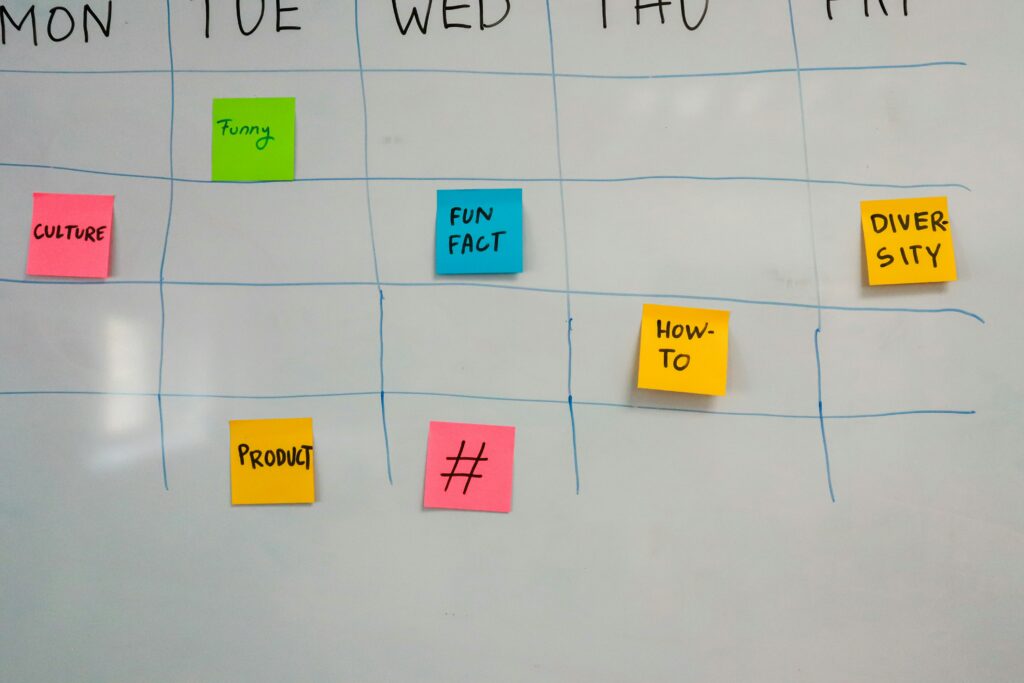
Time blocking means setting aside dedicated periods for specific tasks. Instead of switching between multiple activities, you focus on one thing during each time block.
For example:
- 9:00–10:00 AM – Write content
- 10:15–11:00 AM – Reply to emails
- 11:00–12:00 PM – Research
This method improves concentration and reduces distractions.
5. Stop Multitasking
Although multitasking may seem productive, it often slows you down and increases mistakes. Focusing on one task at a time allows you to complete work more efficiently and with better quality.
When you finish one task before starting another, you’ll feel less mentally exhausted by the end of the day.
6. Take Regular Breaks
Working continuously without breaks can reduce creativity and concentration. Short breaks help your brain recharge and improve overall productivity.
A simple approach is to work for 25–50 minutes and then take a short break. You can also try the Pomodoro Technique, a popular time management method that alternates focused work sessions with short breaks.
7. Limit Digital Distractions

Notifications, messages, and social media can interrupt your focus more often than you realize. Even a quick glance at your phone can break your concentration.
Try these simple strategies:
- Turn off unnecessary notifications.
- Keep your phone out of reach while working.
- Close tabs you don’t need.
- Use Focus Mode or Do Not Disturb when working on important tasks.
8. Learn to Say No
You don’t have to accept every request or invitation. Taking on too many commitments can leave you feeling stressed and overwhelmed.
Protect your time by politely saying no to tasks that don’t align with your priorities. This gives you more energy for the things that truly matter.
9. Create a Simple Daily Routine
Having a consistent routine helps reduce decision-making and creates healthy habits over time.
Your routine doesn’t have to be perfect. Start with a few simple habits, such as:
- Wake up at the same time.
- Plan your day.
- Exercise or stretch for a few minutes.
- Review your goals before starting work.
Consistency is more important than perfection.
10. Prioritize Rest and Sleep
One of the most overlooked productivity habits is getting enough rest. Lack of sleep affects your focus, memory, and ability to make decisions.
Aim for a consistent sleep schedule and give yourself time to recharge. Being well-rested often helps you accomplish more than working late into the night.
According to the World Health Organization, good mental well-being and adequate rest are important for maintaining focus and overall productivity.
11. Celebrate Small Wins
Many people wait until they achieve a big goal before celebrating. Instead, acknowledge your progress along the way.
Whether you finish a report, complete a workout, or stick to your routine for a week, celebrating small wins helps build confidence and keeps you motivated.
12. Be Kind to Yourself
No one is productive every single day. There will be days when things don’t go as planned, and that’s completely normal.
Instead of criticizing yourself, focus on what you accomplished and start fresh the next day. Sustainable productivity comes from consistency, not perfection.
By practicing these habits regularly, you’ll discover how to stay productive without feeling overwhelmed while maintaining a healthier balance between work and personal life. Start with one or two habits this week, and gradually build a routine that works for you.
Common Productivity Mistakes to Avoid

Even if you’re following good productivity habits, a few common mistakes can make it difficult to stay focused and motivated. If you’re trying to learn how to stay productive without feeling overwhelmed, avoid these habits that often lead to stress and burnout.
Trying to Do Everything at Once
Taking on too many tasks in a single day can quickly become overwhelming. Instead of trying to finish everything, focus on your top priorities. Completing a few important tasks is far more effective than starting many and finishing none.
Creating an Unrealistic To-Do List
A long to-do list may look productive, but it often leaves you feeling discouraged when you can’t complete it. Keep your daily task list realistic by choosing three to five important tasks that you can reasonably accomplish.
Multitasking Too Often
Many people believe multitasking helps them get more done, but it usually has the opposite effect. Constantly switching between tasks reduces focus, increases mistakes, and takes more time to complete your work. Concentrating on one task at a time is a much better way to improve productivity.
Skipping Breaks
Working for hours without taking a break can reduce your concentration and energy levels. Short breaks throughout the day help your mind recharge, making it easier to stay focused and productive.
Ignoring Rest and Sleep
Sleep is just as important as planning your work. When you don’t get enough rest, your ability to think clearly, solve problems, and make decisions decreases. Prioritizing quality sleep can significantly improve your daily productivity.
Letting Digital Distractions Take Over
Frequent notifications, social media, and unnecessary screen time can interrupt your workflow. Creating a distraction-free environment allows you to complete tasks more efficiently and with less stress.
Comparing Yourself to Others
Everyone has different goals, schedules, and responsibilities. Comparing your productivity to someone else’s can leave you feeling frustrated and unmotivated. Instead, focus on your own progress and celebrate the small improvements you make each day.
Avoiding these common mistakes can make a noticeable difference in your daily routine. Remember, productivity isn’t about staying busy all the time—it’s about making steady progress while protecting your mental well-being and maintaining a healthy balance in your
Frequently Asked Questions
How can I stay productive without feeling overwhelmed?
The best way to stay productive without feeling overwhelmed is to focus on one priority at a time, create a realistic daily plan, take regular breaks, and avoid multitasking. Small, consistent habits can help you accomplish more while reducing stress and preventing burnout.
Why do I feel overwhelmed even when I’m being productive?
Feeling overwhelmed often happens when you take on too many responsibilities, set unrealistic expectations, or don’t allow yourself enough time to rest. Being busy doesn’t always mean you’re working efficiently. Prioritizing tasks and maintaining a healthy routine can help you feel more in control.
What are the best daily habits for improving productivity?
Some of the best daily productivity habits include planning your day in advance, setting clear priorities, limiting distractions, taking regular breaks, getting enough sleep, and reviewing your progress at the end of the day. These habits can improve your focus and help you stay consistent.
How do I avoid burnout while staying productive?
To avoid burnout, set realistic goals, take regular breaks, maintain a healthy work-life balance, and make time for rest and self-care. Remember that productivity is about working smarter, not constantly staying busy.
Can a daily routine help me become more productive?
Yes. A consistent daily routine helps reduce decision fatigue, improves time management, and makes it easier to build positive habits. Even a simple routine can help you stay organized and productive without feeling overwhelmed.
Final thoughts
Learning how to stay productive without feeling overwhelmed isn’t about doing more—it’s about doing what matters most in a way that supports your well-being. By adopting small, consistent habits like setting priorities, taking regular breaks, and creating a simple routine, you can make steady progress without feeling stressed or burned out.
Remember, productivity isn’t measured by how busy you are. It’s measured by the meaningful progress you make over time. Start by choosing one or two habits from this guide and gradually build them into your daily routine. Small changes practiced consistently can lead to lasting results.
Which habit are you going to try first? Let us know in the comments below—we’d love to hear from you!