
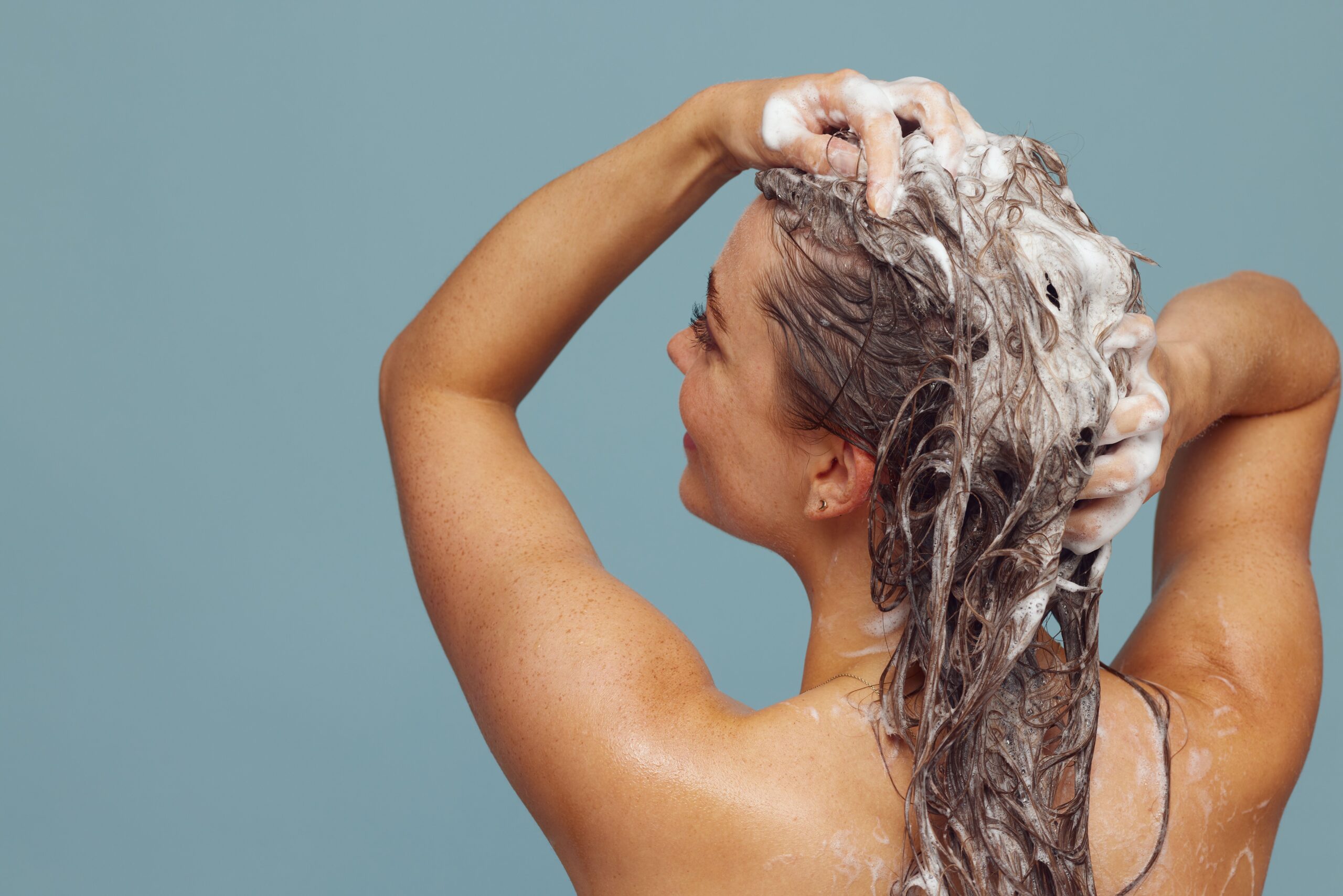
If you’ve ever wondered how to take care of your hair, you’re not alone. With so many products, tips, and trends available, it’s easy to feel overwhelmed—especially if you’re just starting your hair care journey. The good news is that healthy hair doesn’t require a complicated routine or expensive products. It starts with understanding your hair’s needs and following a few simple, consistent habits.
In this beginner-friendly guide, you’ll learn how to take care of your hair step by step. We’ll cover everything from identifying your hair type and choosing the right products to building a daily and weekly hair care routine, avoiding common mistakes, and adopting healthy habits that support stronger, shinier hair. Whether you have straight, wavy, curly, or coily hair, these practical tips will help you create a routine that works for you.
Table of Contents
What Does It Mean to Take Care of Your Hair?
Taking care of your hair means following simple habits that keep your hair and scalp healthy over time. It is not about using the most expensive products or trying every trending treatment. Instead, a good hair care routine focuses on understanding your hair type, choosing the right products, and being consistent with your routine.
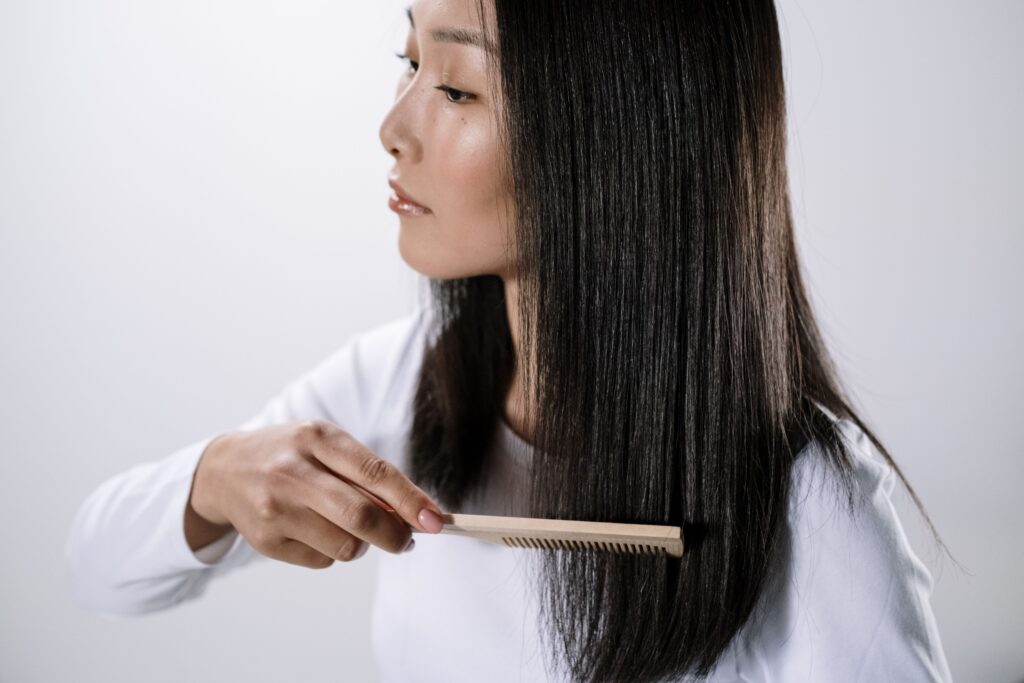
If you’re wondering how to take care of your hair, start with the basics. Wash your hair with a shampoo that suits your scalp type, use a conditioner to keep your hair soft and manageable, and avoid excessive heat styling whenever possible. Regular trims, gentle brushing, and protecting your hair from sun exposure and pollution also play an important role in maintaining healthy hair.
Healthy hair starts with a healthy scalp. Keeping your scalp clean and moisturized helps reduce common problems like dandruff, itchiness, and excess oil. Along with proper hair care, eating a balanced diet, staying hydrated, and managing stress can also improve your hair’s overall health and appearance.
Remember that every person’s hair is different. Whether you have straight, wavy, curly, or coily hair, the key to learning how to take care of your hair is finding a routine that matches your hair type and lifestyle. Small, consistent habits often deliver better results than complicated routines.
Why Proper Hair Care Is Important
Proper hair care is essential for keeping your hair strong, healthy, and easy to manage. If you’re learning how to take care of your hair, understanding why a consistent routine matters is the first step. Healthy hair doesn’t happen overnight—it is the result of regular care and healthy habits.
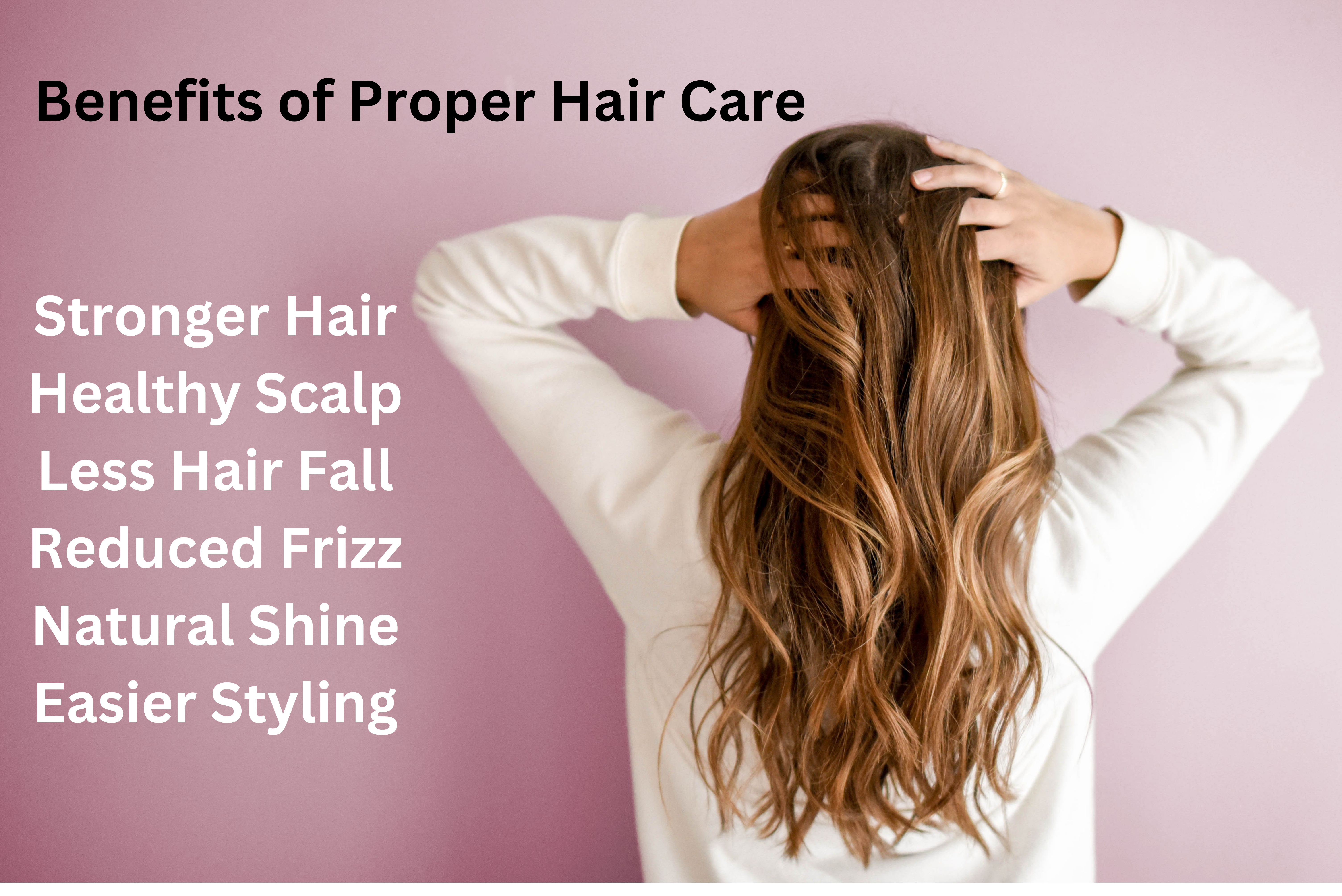
A good hair care routine helps prevent common problems such as hair breakage, dryness, frizz, split ends, dandruff, and excessive hair fall. Using products that suit your hair type, washing your hair correctly, and protecting it from heat and environmental damage can make a noticeable difference over time.
Taking care of your hair also supports a healthy scalp. A clean and balanced scalp creates the right environment for healthy hair growth. Ignoring scalp health can lead to issues like itchiness, oil buildup, dandruff, and irritation, which may affect the overall condition of your hair.
Another reason proper hair care is important is that it improves the appearance of your hair. Well-maintained hair looks shinier, feels softer, and is easier to style. It is also less likely to become tangled or damaged from daily brushing and styling.
If you want to know how to take care of your hair, remember that consistency is more important than using expensive products. Simple habits such as conditioning your hair, limiting heat styling, trimming split ends regularly, eating a balanced diet, and staying hydrated can help you achieve healthier hair in the long run.
Everyone’s hair is different, so there is no one-size-fits-all routine. Paying attention to your hair’s needs and making small adjustments over time will help you build a routine that works best for you.
Know Your Hair Type Before You Start
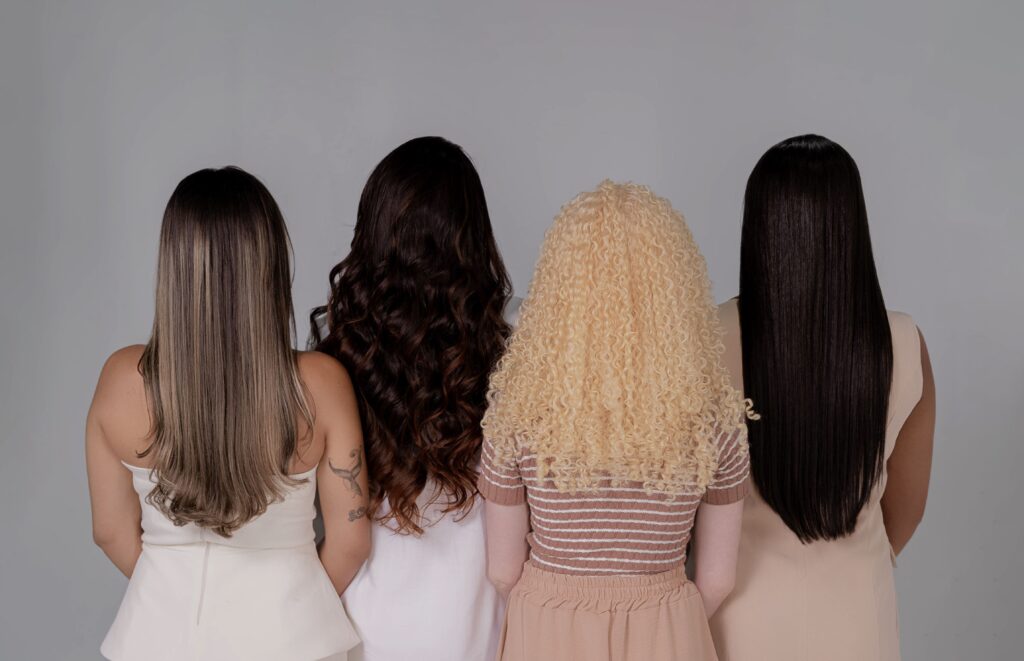
Before choosing a shampoo, conditioner, or styling product, it’s important to understand your hair type. If you’re wondering how to take care of your hair, knowing your hair type is one of the most important first steps. Different hair types have different needs, and using the wrong products can lead to dryness, excess oil, frizz, or breakage.
Straight Hair
Straight hair is usually smooth and shiny because natural oils travel easily from the scalp to the ends. However, it can become oily more quickly than other hair types. Lightweight shampoos and conditioners work best, and it’s important to avoid heavy products that can make the hair look greasy.
Wavy Hair
Wavy hair falls between straight and curly hair. It has a natural texture but can become frizzy without proper care. A moisturizing conditioner and lightweight styling cream can help define the waves while reducing frizz.
Curly Hair
Curly hair is naturally drier because the scalp’s natural oils have a harder time reaching the ends. To keep curls healthy, use hydrating products, deep condition regularly, and avoid brushing dry curls, which can cause frizz and breakage.
Coily Hair
Coily hair has tight curls or coils and is the most delicate hair type. It needs plenty of moisture and gentle handling. Rich conditioners, leave-in treatments, and natural oils can help keep coily hair soft, healthy, and protected from damage.
Understanding Your Scalp Type
Your scalp type is just as important as your hair type. It can be:
- Oily scalp: Hair becomes greasy quickly and may need more frequent washing.
- Dry scalp: You may notice flaking, tightness, or itchiness, so moisturizing products are helpful.
- Normal scalp: Neither too oily nor too dry, making it easier to maintain.
- Sensitive scalp: May react to fragrances or harsh ingredients, so gentle, sulfate-free products are often a better choice.
Choosing products based on both your hair type and scalp type will help you create a routine that works best for you.
Understanding these differences makes it much easier to learn how to take care of your hair. Instead of following trends or copying someone else’s routine, you can choose products and habits that match your unique hair needs. This simple step can lead to healthier, stronger, and more manageable hair over time.
Hair Care Essentials You Need
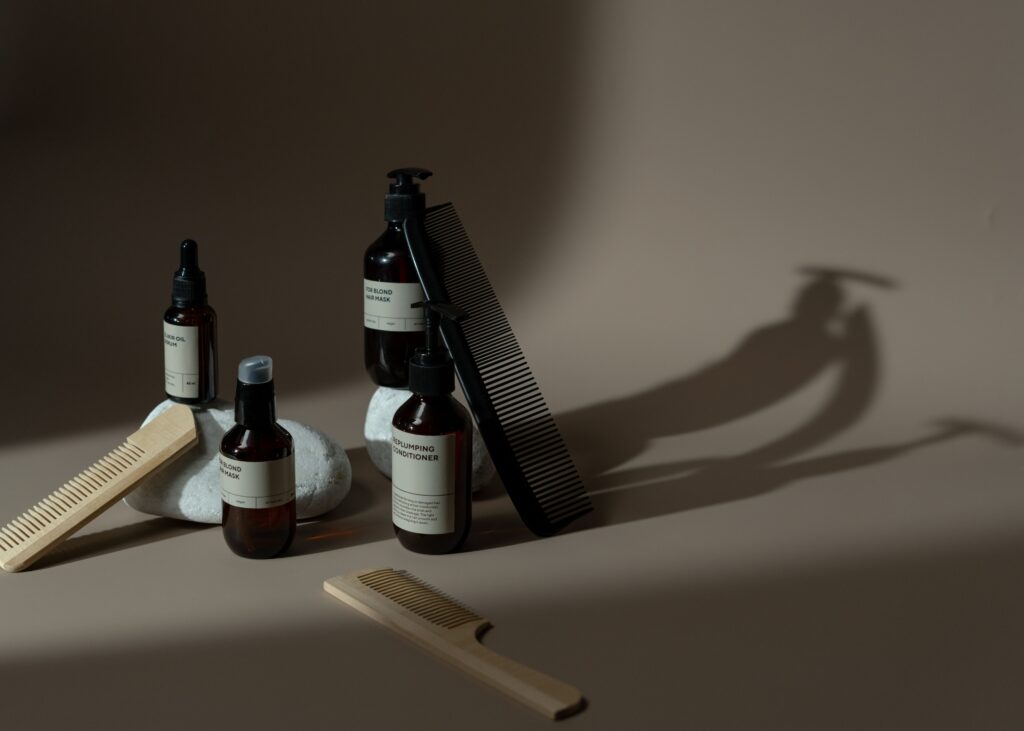
Building an effective hair care routine doesn’t require a shelf full of products. The key is to choose a few essentials that suit your hair type and scalp needs. If you’re learning how to take care of your hair, start with these basic products and tools before trying advanced treatments.
Shampoo
A good shampoo removes dirt, oil, sweat, and product buildup from your scalp and hair. Choose a shampoo based on your scalp type rather than your hair length. For example, a clarifying shampoo works well for oily scalps, while a moisturizing shampoo is better for dry or damaged hair. Washing your hair with the right shampoo helps maintain a clean and healthy scalp.
Conditioner
Conditioner helps replace moisture lost during shampooing. It smooths the hair cuticle, reduces frizz, and makes hair easier to detangle. Apply conditioner mainly to the mid-lengths and ends of your hair, avoiding the scalp unless the product is specifically designed for scalp care.
Hair Oil or Hair Serum
Hair oils and serums help protect your hair from dryness, frizz, and breakage. Hair oils are ideal for nourishing the hair before washing, while serums are commonly used after washing to add shine and reduce flyaways. Choose a lightweight product if you have fine hair or a richer formula if your hair is thick or curly.
Hair Mask
A hair mask provides deep conditioning and extra nourishment. Using a hair mask once a week can help repair damage caused by heat styling, coloring, or environmental factors. It is especially beneficial for dry, frizzy, or chemically treated hair.
Wide-Tooth Comb
A wide-tooth comb helps detangle wet hair gently without causing unnecessary breakage. Start combing from the ends and gradually work your way up to the roots to reduce pulling and hair damage.
Microfiber Towel or Cotton T-Shirt
Regular towels can create friction, leading to frizz and breakage. Instead, use a microfiber towel or a soft cotton T-shirt to gently absorb excess water after washing your hair. Avoid rubbing your hair vigorously; instead, pat it dry.
Heat Protectant
If you frequently use a blow dryer, curling iron, or straightener, a heat protectant is essential. It creates a protective layer around the hair, helping reduce heat damage and moisture loss. Apply it evenly to damp hair before using any heat styling tools.
Satin or Silk Pillowcase
Switching to a satin or silk pillowcase can help reduce friction while you sleep. This simple change may prevent hair breakage, minimize frizz, and help your hairstyle last longer, especially if you have curly or textured hair.
You don’t need to buy every product at once. Start with the basics—shampoo, conditioner, and a wide-tooth comb—and gradually add other essentials based on your hair’s needs. Keeping your routine simple and consistent is one of the best ways to learn how to take care of your hair and maintain healthy, beautiful hair over time.
How to Take Care of Your Hair Every Day
A consistent daily routine is one of the best ways to keep your hair healthy and manageable. If you’re wondering how to take care of your hair, you don’t need a complicated routine. Small, healthy habits practiced every day can protect your hair from damage and improve its overall appearance over time.
Keep Your Hair Clean
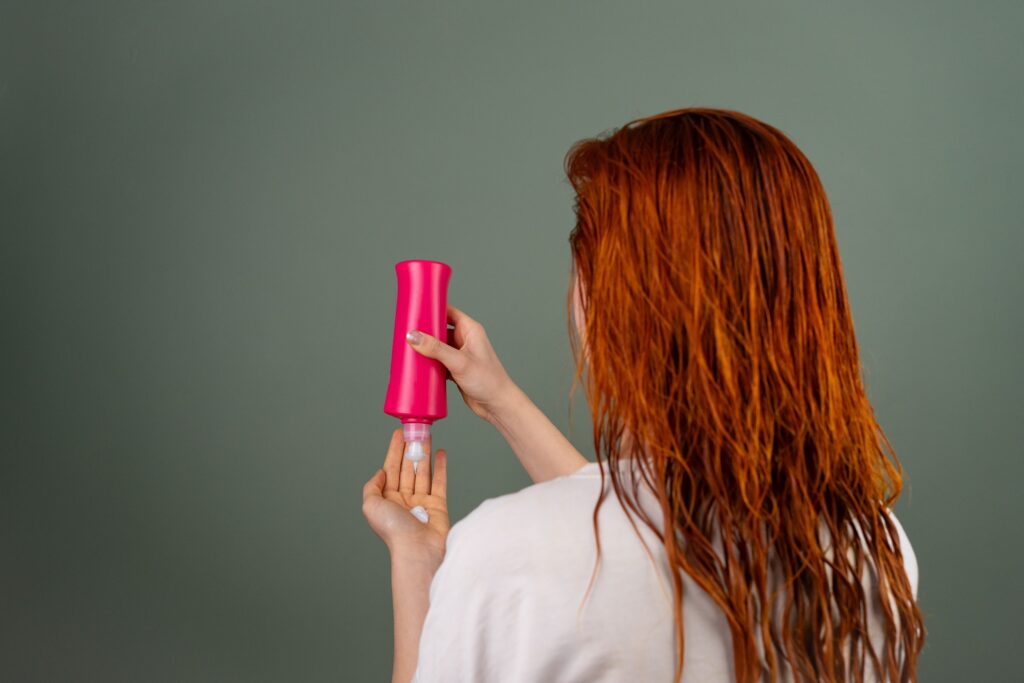
Wash your hair as often as needed based on your scalp type. If you have an oily scalp, you may need to wash it more frequently, while dry or curly hair usually requires less frequent washing. Use a gentle shampoo and rinse thoroughly to remove dirt, oil, and product buildup without stripping away natural moisture.
Condition Your Hair
Always follow shampooing with a conditioner, especially if your hair is dry, long, or chemically treated. Apply conditioner from the mid-lengths to the ends of your hair, then rinse well. This helps lock in moisture, reduce frizz, and make your hair easier to manage.
Brush Your Hair Gently
Use a wide-tooth comb or a soft-bristle brush to detangle your hair carefully. Start from the ends and work your way up to the roots to avoid unnecessary pulling and breakage. Avoid brushing wet hair aggressively, as it is more vulnerable to damage.
Protect Your Hair from Heat
Before using a blow dryer, straightener, or curling iron, always apply a heat protectant. Whenever possible, let your hair air dry or use the lowest heat setting on styling tools to minimize damage.
Avoid Touching Your Hair Too Often
Constantly touching or playing with your hair can transfer oil, dirt, and bacteria from your hands to your hair and scalp. It can also increase frizz and lead to unnecessary breakage, especially if your hair is already dry or damaged.
Protect Your Hair Outdoors
Sun exposure, pollution, wind, and chlorine can weaken your hair over time. Wear a hat or scarf when spending long hours in direct sunlight, and rinse your hair after swimming in a pool to remove chlorine and other chemicals.
Eat Well and Stay Hydrated
Healthy hair starts from within. Eating foods rich in protein, iron, omega-3 fatty acids, vitamins, and minerals helps support strong, healthy hair. Drinking enough water throughout the day also helps keep your hair and scalp hydrated.
Be Consistent
The secret to learning how to take care of your hair is consistency. You don’t need expensive products or lengthy routines. Following these simple daily habits can help reduce hair damage, improve shine, and keep your hair looking healthy in the long run.
Weekly Hair Care Routine for Healthy Hair
While daily habits help keep your hair clean and manageable, a weekly routine provides the extra care your hair needs to stay strong and healthy. If you’re learning how to take care of your hair, setting aside time once or twice a week for deeper treatments can improve your hair’s health and appearance over time.
Deep Condition Your Hair
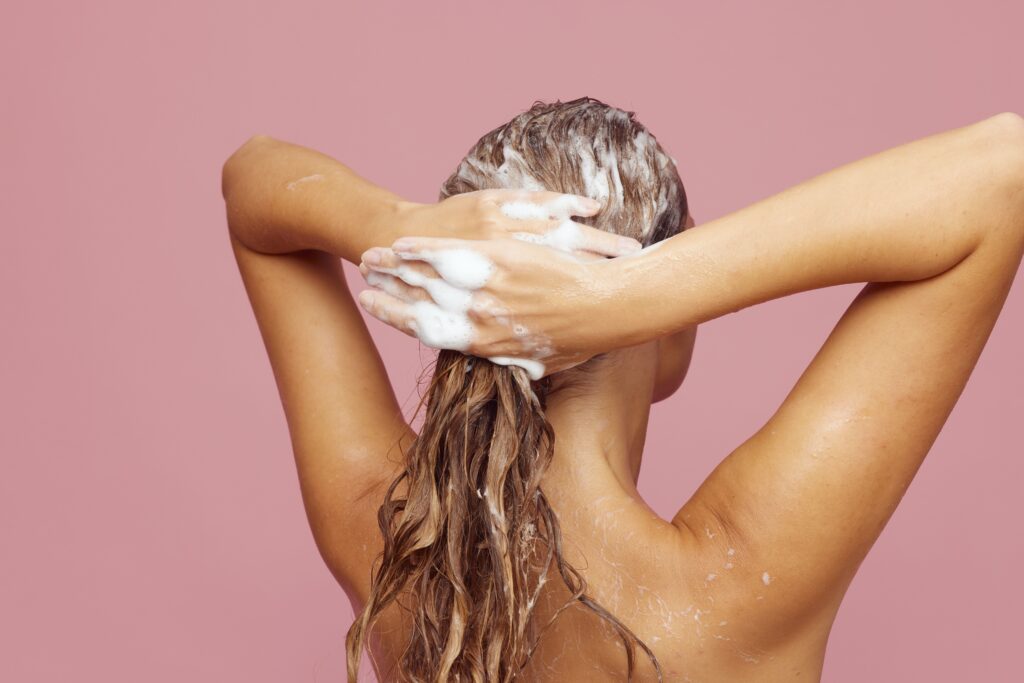
Using a deep conditioning treatment or hair mask once a week helps restore moisture and repair dry or damaged hair. Apply the product from the mid-lengths to the ends, leave it on for the recommended time, and rinse thoroughly. This simple step can make your hair feel softer, smoother, and easier to manage.
Massage Your Scalp
A gentle scalp massage for 5–10 minutes can help remove product buildup while making your hair care routine more relaxing. You can massage your scalp with your fingertips or while applying hair oil before shampooing. Be gentle and avoid using your nails, as they may irritate the scalp.
Apply Hair Oil
Hair oiling is a popular way to nourish your hair and reduce dryness. Once or twice a week, apply a suitable hair oil to your scalp and hair lengths. Leave it on for at least 30 minutes or overnight if it works well for your hair, then wash it out with a gentle shampoo.
Clarify Your Hair When Needed
If you use styling products regularly or notice your hair feeling heavy, consider using a clarifying shampoo once every few weeks. It helps remove excess oil, product residue, and buildup that regular shampoo may not completely wash away. Avoid overusing clarifying shampoos, as they can dry out your hair.
Check for Split Ends
Take a few minutes each week to inspect your hair for split ends or signs of damage. While split ends cannot be repaired, trimming them every 6–8 weeks helps prevent further breakage and keeps your hair looking healthier.
Clean Your Hair Tools
Hairbrushes, combs, and styling tools collect hair, oil, dust, and product residue over time. Cleaning them weekly helps prevent dirt and bacteria from transferring back to your hair and scalp. Wash combs and brushes with warm water and a mild shampoo, and wipe styling tools according to the manufacturer’s instructions.
Give Your Hair a Break
Avoid using heat styling tools every day. Setting aside one or two “heat-free” days each week gives your hair time to recover from heat exposure and reduces the risk of dryness and breakage. Try simple hairstyles like braids, buns, or ponytails that don’t require heat.
A weekly routine doesn’t have to be complicated. By adding a few extra care steps to your schedule, you’ll find it easier to maintain healthy, shiny, and manageable hair. Combined with good daily habits, these practices are an effective way to learn how to take care of your hair and keep it looking its best.
Common Hair Care Mistakes to Avoid
Even if you’re using the right products, certain habits can damage your hair over time. If you’re learning how to take care of your hair, avoiding these common mistakes is just as important as following a good hair care routine. Making a few simple changes can help keep your hair healthier, stronger, and easier to manage.
Washing Your Hair Too Often
Washing your hair every day isn’t necessary for everyone. Overwashing can strip away your scalp’s natural oils, leaving your hair dry and more likely to break. Wash your hair according to your scalp type and lifestyle rather than following a fixed schedule.
Using Very Hot Water
Hot water may feel relaxing, but it can remove your hair’s natural moisture and make it look dry and frizzy. Instead, wash your hair with lukewarm water and finish with a cool rinse to help smooth the hair cuticle and add shine.
Skipping Conditioner
Many people skip conditioner because they think it makes their hair oily. In reality, conditioner helps restore moisture, reduce tangles, and protect your hair from damage. Apply it mainly to the mid-lengths and ends for the best results.
Using Too Much Heat
Frequent use of blow dryers, straighteners, and curling irons can weaken your hair over time. If you use heat styling tools, always apply a heat protectant first and choose the lowest effective heat setting. Giving your hair regular heat-free days also helps reduce damage.
Brushing Wet Hair Roughly
Wet hair is more fragile than dry hair. Pulling a brush through wet hair can cause unnecessary breakage and split ends. Instead, use a wide-tooth comb and gently detangle your hair from the ends upward.
Ignoring Your Scalp
Healthy hair begins with a healthy scalp. Ignoring scalp care can lead to dandruff, oil buildup, and irritation. Keep your scalp clean by using products that match your scalp type and avoid scratching it with your nails.
Using the Wrong Hair Products
Not every shampoo, conditioner, or styling product is suitable for every hair type. Choosing products based on your hair texture and scalp needs can improve your results and prevent common problems like dryness, excess oil, or frizz.
Delaying Hair Trims
Split ends don’t repair themselves. Waiting too long between trims can allow damage to travel further up the hair shaft. Trimming your hair every 6–8 weeks, or as needed, helps maintain healthy-looking hair and reduces breakage.
Expecting Instant Results
Healthy hair takes time. Changing products every week or trying every trend can do more harm than good. The best way to learn how to take care of your hair is to follow a simple routine consistently and give it time to work.
By avoiding these common mistakes, you’ll protect your hair from unnecessary damage and make your routine more effective. Remember that healthy hair is built through consistent care, patience, and choosing habits that suit your individual hair type.
Foods and Habits That Support Healthy Hair
Healthy hair starts from within. While using the right hair care products is important, your daily diet and lifestyle also play a major role in keeping your hair strong, shiny, and healthy. If you’re learning how to take care of your hair, combining a balanced diet with healthy habits can improve your hair’s overall condition over time.
Eat Protein-Rich Foods
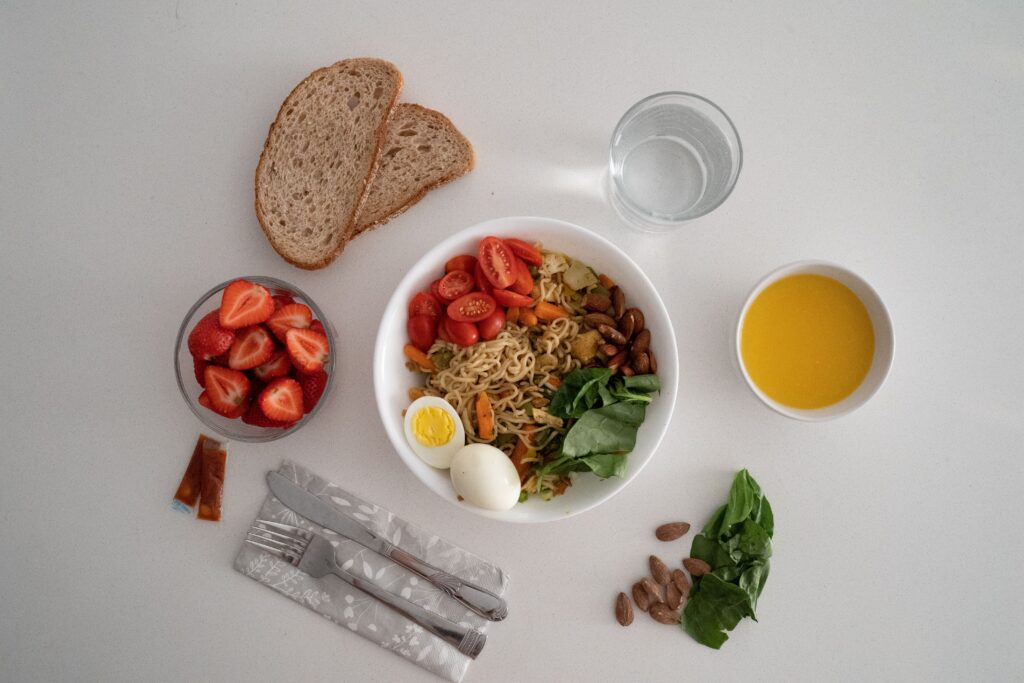
Hair is primarily made of a protein called keratin, so getting enough protein in your diet is essential for healthy hair. Include foods like eggs, fish, chicken, beans, lentils, tofu, Greek yogurt, and nuts in your meals to support healthy hair growth and strength.
Include Iron and Zinc in Your Diet
Iron and zinc are important minerals that help support normal hair growth. Iron-rich foods include spinach, lean meat, lentils, and fortified cereals, while zinc can be found in seeds, nuts, seafood, and whole grains. Eating a variety of nutrient-rich foods helps ensure your body gets what it needs.
Eat Healthy Fats
Healthy fats, especially omega-3 fatty acids, help nourish the scalp and support shiny-looking hair. Add foods like salmon, walnuts, chia seeds, flaxseeds, and avocados to your diet for a healthy source of fats.
Stay Hydrated
Water is essential for your overall health, including your hair and scalp. Drinking enough water throughout the day helps keep your scalp hydrated and supports healthy-looking hair. While water alone won’t make your hair grow faster, staying hydrated contributes to your body’s normal functions.
Get Enough Sleep
Your body repairs and restores itself while you sleep, including the cells that support healthy hair. Aim for 7–9 hours of quality sleep each night to support your overall well-being and maintain healthy hair.
Manage Stress
Long-term stress can affect your overall health and may contribute to increased hair shedding in some people. Managing stress through activities like walking, meditation, yoga, reading, or spending time on hobbies can benefit both your mind and your hair.
Avoid Smoking and Limit Alcohol
Smoking can affect blood circulation, while excessive alcohol consumption may contribute to dehydration and poor overall health. Reducing these habits supports not only healthier hair but also your general well-being.
Be Patient and Stay Consistent
Healthy hair doesn’t develop overnight. Following nutritious eating habits, staying active, drinking enough water, and maintaining a regular hair care routine can make a noticeable difference over time. If you want to know how to take care of your hair, remember that consistency is one of the most important factors for long-term results.
Frequently Asked Questions
What is the best daily hair care routine?
A simple daily routine includes brushing your hair gently, protecting it from heat, using the right products for your hair type, and keeping your scalp clean. Wash your hair only as often as your scalp needs.
How often should I wash my hair?
It depends on your hair and scalp type. Oily hair may need washing every 1–2 days, while dry, curly, or coily hair often needs washing only once or twice a week.
Can I oil my hair every day?
For most people, oiling every day isn’t necessary. Applying hair oil once or twice a week before washing is enough to nourish the hair and scalp without causing excessive buildup.
Does trimming your hair make it grow faster?
No. Trimming doesn’t speed up hair growth, but it removes split ends and helps prevent breakage, making your hair look healthier.
Final Thoughts
Learning how to take care of your hair doesn’t have to be complicated. The best results come from understanding your hair type, using the right products, following a simple daily and weekly routine, and staying consistent with healthy habits.
Remember, every person’s hair is unique, so don’t feel pressured to follow every trend or buy expensive products. Start with the basics, pay attention to what works for your hair, and make small improvements over time. Healthy, beautiful hair is built through patience and regular care—not overnight.
We hope this beginner’s guide has given you the confidence to create a hair care routine that fits your lifestyle. With the right approach and a little consistency, you’ll be well on your way to stronger, healthier, and more manageable hair.