

If you’re searching for how to sleep better naturally for beginners, you’re not alone. Many people struggle to fall asleep, stay asleep, or wake up feeling refreshed. The good news is that improving your sleep doesn’t require expensive products or complicated routines. Simple, healthy habits can make a significant difference in the quality of your sleep over time.
Quality sleep is essential for both your physical and mental well-being. It helps your body recover, improves focus and memory, boosts your mood, and supports a healthy immune system. Unfortunately, everyday habits like using your phone before bed, drinking caffeine late in the day, or following an inconsistent sleep schedule can negatively affect your sleep without you even realizing it.
In this guide, you’ll discover 10 simple habits that can help you sleep better naturally, common mistakes to avoid, foods and drinks that may support better sleep, and practical tips for building a healthy bedtime routine. Whether you’re just starting your wellness journey or looking to improve your current sleep habits, these beginner-friendly tips will help you enjoy more restful nights and wake up feeling energized.
Table of Contents
Why Good Sleep Matters for Your Health

If you’re wondering how to sleep better naturally for beginners, it helps to first understand why sleep is so important. Sleep is not just a time for your body to rest—it is when your body repairs itself, your brain processes information, and your energy is restored for the next day.
Getting enough quality sleep can improve both your physical and mental well-being. It helps you wake up feeling refreshed, stay focused throughout the day, and maintain a positive mood. On the other hand, poor sleep can leave you feeling tired, irritable, and less productive.
Some of the key benefits of healthy sleep include:
- Improves concentration, memory, and learning ability.
- Supports a stronger immune system to help fight illnesses.
- Boosts energy levels and overall productivity.
- Helps regulate mood and reduce stress.
- Supports heart health and overall physical wellness.
- Plays an important role in maintaining a healthy weight.
For beginners, improving sleep doesn’t require expensive gadgets or complicated routines. Small lifestyle changes—such as maintaining a consistent bedtime, reducing screen time before bed, and creating a relaxing sleep environment—can make a noticeable difference over time.
By building healthy sleep habits today, you’ll not only sleep better at night but also feel healthier, happier, and more energized every day.
10 Healthy Habits to Sleep Better Naturally
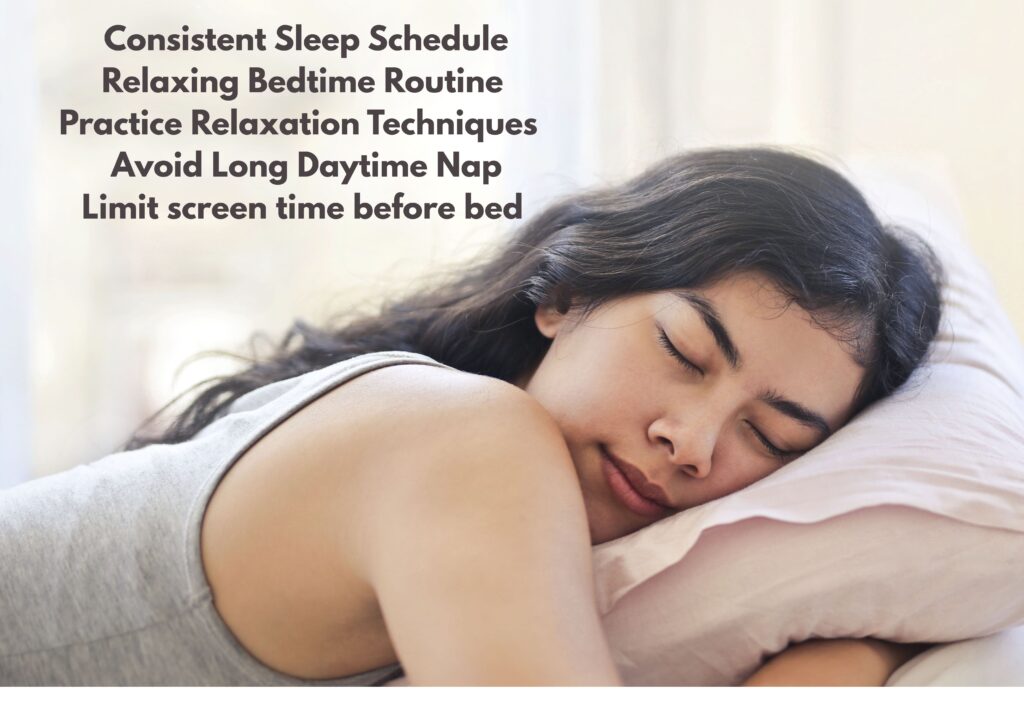
If you’re looking for how to sleep better naturally for beginners, the good news is that you don’t need complicated techniques or expensive sleep products. Simple daily habits can make a significant difference in the quality of your sleep. Here are ten healthy habits that can help you fall asleep faster and wake up feeling refreshed.
1. Stick to a Consistent Sleep Schedule
Try to go to bed and wake up at the same time every day, even on weekends. A consistent sleep schedule helps regulate your body’s internal clock, making it easier to fall asleep and wake up naturally.
2. Create a Relaxing Bedtime Routine
Develop a calming routine before bed to signal your body that it’s time to sleep. Reading a book, taking a warm shower, practicing gentle stretching, or listening to soothing music can help you unwind after a busy day.
3. Limit Screen Time Before Bed
The blue light emitted by phones, tablets, and computers can interfere with your body’s natural sleep cycle. Aim to avoid screens for at least 30 to 60 minutes before bedtime. Instead, choose relaxing activities that help your mind slow down.
4. Avoid Caffeine and Heavy Meals at Night
Coffee, tea, energy drinks, and large meals close to bedtime can make it harder to fall asleep. Try to finish dinner at least two to three hours before bed and limit caffeine intake during the evening.
5. Keep Your Bedroom Cool, Quiet, and Dark
Your sleeping environment plays an important role in sleep quality. A cool, quiet, and dark bedroom can help your body relax more easily. Consider using blackout curtains, earplugs, or a white noise machine if needed.
6. Get Natural Sunlight During the Day
Spending time in natural sunlight, especially in the morning, helps regulate your body’s internal clock. Even 15 to 30 minutes of sunlight each day can support a healthier sleep-wake cycle.
7. Exercise Regularly (But Not Too Late)
Regular physical activity can improve sleep quality and help you fall asleep faster. However, avoid intense workouts close to bedtime, as they may leave you feeling too energized to sleep.
8. Practice Relaxation Techniques Before Bed
Stress and anxiety are common reasons for poor sleep. Simple relaxation techniques like deep breathing, meditation, or mindfulness can help calm your mind and prepare your body for restful sleep.
9. Avoid Long Daytime Naps
Short naps can be refreshing, but sleeping for too long during the day may make it difficult to fall asleep at night. If you choose to nap, keep it to around 20–30 minutes and avoid late afternoon naps.
10. Be Patient and Stay Consistent
Healthy sleep habits take time to show results. Don’t get discouraged if you don’t notice improvements immediately. Stay consistent with your routine, and your sleep quality is likely to improve gradually over the coming weeks.
Common Mistakes That Can Ruin Your Sleep

Even if you’re following healthy sleep habits, certain daily behaviors can make it difficult to get a good night’s rest. If you’re learning how to sleep better naturally for beginners, avoiding these common mistakes is just as important as building a healthy bedtime routine.
Using Your Phone Right Before Bed
Scrolling through social media or watching videos before bedtime exposes you to blue light, which can interfere with your body’s natural sleep cycle. Try putting your phone away at least 30 to 60 minutes before going to sleep.
Following an Irregular Sleep Schedule
Going to bed and waking up at different times every day can confuse your body’s internal clock. Sticking to a consistent sleep schedule helps your body know when it’s time to sleep and wake up.
Drinking Caffeine Late in the Day
Caffeine can stay in your system for several hours and make it harder to fall asleep. Avoid coffee, energy drinks, and other caffeinated beverages in the late afternoon and evening if you want better sleep.
Eating Heavy Meals Before Bedtime
Large or spicy meals close to bedtime may cause discomfort, indigestion, or acid reflux, making it difficult to sleep comfortably. Try to have dinner at least two to three hours before bedtime.
Sleeping in a Bright or Noisy Room
A room that is too bright or noisy can interrupt your sleep and reduce its quality. Use blackout curtains, an eye mask, earplugs, or a white noise machine if needed to create a more sleep-friendly environment.
Taking Long or Late Afternoon Naps
While short naps can be beneficial, long naps or naps taken late in the day can make it harder to fall asleep at night. If you need a nap, keep it between 20 and 30 minutes.
Going to Bed Feeling Stressed
Stress and racing thoughts can make it difficult to relax and fall asleep. Simple relaxation techniques such as deep breathing, meditation, journaling, or reading a book can help calm your mind before bed.
Avoiding these common mistakes, along with practicing healthy sleep habits, can help you enjoy more restful nights and wake up feeling refreshed. Small changes in your daily routine can make a noticeable difference over time.
Foods and Drinks That May Help You Sleep Better Naturally
What you eat and drink throughout the day can have a noticeable impact on your sleep quality. While no single food can instantly make you fall asleep, certain nutrient-rich foods may help your body relax and support a healthier sleep cycle. If you’re exploring how to sleep better naturally for beginners, adding these foods to your diet can be a simple step toward better sleep.

1. Almonds
Almonds are a good source of magnesium, a mineral that supports muscle relaxation and may help improve sleep quality. A small handful of almonds in the evening can make a healthy bedtime snack.
2. Bananas
Bananas contain potassium, magnesium, and vitamin B6, which help relax muscles and support the production of melatonin—the hormone that regulates your sleep-wake cycle.
3. Kiwi
Research suggests that eating kiwi before bedtime may help some people fall asleep faster and enjoy better-quality sleep. Kiwi is also rich in antioxidants and vitamin C.
4. Tart Cherries
Tart cherries and unsweetened tart cherry juice are natural sources of melatonin. Drinking a small glass a couple of hours before bed may help support a healthy sleep routine.
5. Chamomile Tea
Chamomile tea is a popular caffeine-free herbal tea known for its calming properties. Enjoying a warm cup before bedtime may help you relax and prepare for sleep.
6. Warm Milk
Warm milk has long been considered a comforting bedtime drink. It contains tryptophan, an amino acid that helps the body produce serotonin and melatonin, both of which play a role in healthy sleep.
Foods and Drinks to Limit Before Bed
Just as some foods can support better sleep, others can make it harder to fall asleep. Try to avoid these close to bedtime:
- Coffee, strong tea, and energy drinks
- Sugary snacks and desserts
- Spicy or heavy meals
- Carbonated drinks
- Alcohol, which can disrupt sleep quality
Remember, these foods and drinks work best when combined with healthy sleep habits. Eating a balanced diet, staying hydrated, and maintaining a consistent bedtime routine are all important parts of improving your sleep naturally.
How Long Does It Take to Improve Your Sleep Naturally?
If you’re starting your journey to sleep better naturally for beginners, it’s important to have realistic expectations. Healthy sleep habits don’t produce overnight results. Just like any other lifestyle change, improving your sleep takes time, consistency, and patience.
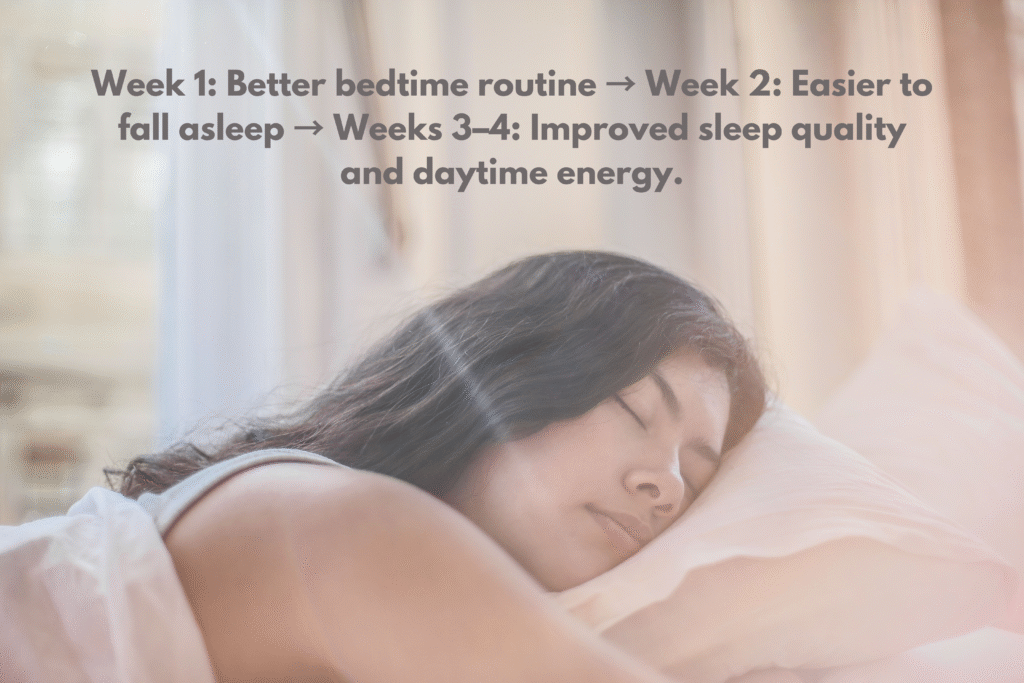
Many people notice small improvements within a few days to one week of following a regular sleep routine. You may find it easier to fall asleep, wake up feeling more refreshed, or have better energy during the day. However, for lasting changes, it often takes two to four weeks of consistently practicing healthy sleep habits.
Everyone’s body is different, so the time it takes to see results can vary depending on factors such as stress levels, daily routine, diet, physical activity, and existing sleep habits.
Here are a few tips to stay on track:
- Stick to the same bedtime and wake-up time every day.
- Avoid giving up if you don’t see immediate results.
- Focus on making one or two changes at a time instead of trying to change everything at once.
- Track your sleep habits in a journal or a sleep-tracking app to monitor your progress.
- Be patient and allow your body time to adjust to your new routine.
When Should You See a Doctor?
While most people can improve their sleep with healthy lifestyle changes, some sleep problems may require medical attention. Consider speaking with a healthcare professional if you:
- Have trouble sleeping for several weeks despite following healthy sleep habits.
- Frequently wake up feeling exhausted even after getting enough sleep.
- Snore loudly, gasp for air during sleep, or suspect you may have a sleep disorder.
- Feel excessively sleepy during the day, making it difficult to work or complete daily activities.
Improving your sleep naturally is a gradual process, but every small step counts. By staying consistent with healthy habits, you can build a sustainable sleep routine that benefits your overall health and well-being in the long run.
Final Thoughts
Learning how to sleep better naturally for beginners doesn’t have to be overwhelming. Small, consistent changes to your daily routine can have a big impact on the quality of your sleep over time. From maintaining a regular sleep schedule to creating a relaxing bedtime routine and choosing sleep-friendly foods, every healthy habit brings you one step closer to better rest.
Remember, improving your sleep is a journey, not a quick fix. Stay patient, be consistent, and focus on building habits that fit your lifestyle. With time, you’ll not only enjoy more restful nights but also experience better energy, improved focus, and overall well-being.
Start with one or two habits today, and gradually build a routine that helps you wake up feeling refreshed and ready to take on the day.