Starting a skincare routine for beginners can feel overwhelming, especially with so many products, trends, and skincare tips available online. The good news is that you don’t need a complicated routine or an expensive collection of products to achieve healthy-looking skin. A few simple steps followed consistently can make a noticeable difference over time.
Whether you have dry, oily, combination, normal, or sensitive skin, understanding the basics is the first step toward building a routine that works for you. By choosing the right products and following them in the correct order, you can keep your skin clean, hydrated, and protected every day.
In this guide, you’ll learn how to identify your skin type, the essential skincare products every beginner needs, a simple morning and night routine, common mistakes to avoid, and practical tips to help you get the best results from your skincare routine.
Table of Contents
What Is a Skincare Routine?
A skincare routine is a series of simple steps you follow every day to keep your skin clean, healthy, and protected. It usually involves using a few essential products in a specific order to remove dirt, maintain your skin’s moisture, and protect it from environmental damage.

For beginners, a skincare routine doesn’t have to be complicated. In fact, starting with just a few basic steps is often the best approach. A simple routine typically includes cleansing your face, applying a moisturizer, and using sunscreen during the day. As you become more familiar with your skin’s needs, you can gradually add products like serums or exfoliants if necessary.
Following a consistent skincare routine can help improve your skin’s overall appearance over time. While results won’t happen overnight, taking care of your skin every day can help reduce dryness, excess oil, dullness, and other common skin concerns. The key is to choose products that suit your skin type and use them consistently.
Before buying any skincare products, it’s important to understand your skin type. Knowing whether your skin is oily, dry, combination, sensitive, or normal will help you build a routine that works best for you and avoid using products that may cause irritation.
Why Is a Skincare Routine Important for Beginners?

Starting a skincare routine for beginners is one of the best ways to build healthy habits that benefit your skin in the long run. Your skin is exposed to dirt, sweat, pollution, oil, and harmful UV rays every day. Without proper care, these factors can lead to issues such as clogged pores, dryness, breakouts, or premature signs of aging.
A simple and consistent skincare routine helps keep your skin clean, hydrated, and protected. The American Academy of Dermatology also recommends following a basic skincare routine that includes cleansing, moisturizing, and sun protection.. Even if you don’t have specific skin concerns, taking a few minutes each day to care for your skin can help maintain its natural balance and improve its overall appearance over time.
For beginners, consistency is far more important than using a large number of products. Using a gentle cleanser, a suitable moisturizer, and sunscreen every day is often enough to create a strong foundation for healthy skin. Once you understand how your skin responds, you can gradually introduce additional products if needed.
A good skincare routine also helps you become more familiar with your skin’s needs. By paying attention to how your skin reacts to different products and environmental changes, you’ll be better equipped to choose products that work for your skin type and avoid those that may cause irritation.
Benefits of Following a Skincare Routine
- Keeps your skin clean by removing dirt, oil, and impurities.
- Helps maintain your skin’s natural moisture barrier.
- Reduces the risk of clogged pores and breakouts.
- Protects your skin from sun damage when sunscreen is used daily.
- Supports a smoother, healthier-looking complexion over time.
- Makes it easier to identify products that suit your skin type.
- Encourages healthy skincare habits that are easy to maintain.
Know Your Skin Type Before You Start

Before building a skincare routine , it’s important to identify your skin type. Choosing products without knowing your skin’s needs can lead to irritation, excess oil, dryness, or breakouts. Understanding your skin type helps you select products that work effectively and support healthy-looking skin.
Here are the five main skin types and their characteristics:
1. Normal Skin
Normal skin feels balanced and comfortable. It is neither too oily nor too dry and usually has few visible pores or blemishes. A simple routine with a gentle cleanser, moisturizer, and sunscreen is often enough to maintain healthy skin.
2. Dry Skin
Dry skin may feel tight, rough, or flaky, especially after cleansing. It benefits from hydrating products that help lock in moisture and support the skin’s natural barrier.
3. Oily Skin
Oily skin produces excess sebum, which can make the face appear shiny and increase the likelihood of clogged pores and breakouts. Lightweight, non-comedogenic products can help manage oil without stripping the skin.
4. Combination Skin
Combination skin has both oily and dry areas. The forehead, nose, and chin (known as the T-zone) are often oily, while the cheeks may feel normal or dry. This skin type usually requires a balanced skincare approach.
5. Sensitive Skin
Sensitive skin is more likely to react to certain ingredients, fragrances, or environmental factors. It may experience redness, itching, or irritation. Choosing gentle, fragrance-free products and introducing new products gradually can help reduce the risk of reactions.
How to Identify Your Skin Type at Home
A simple way to identify your skin type is the bare-face test:
- Wash your face with a gentle cleanser.
- Pat your skin dry with a soft towel.
- Do not apply any skincare products.
- Wait for about 30 minutes to one hour.
- Observe how your skin feels:
- If it feels comfortable and balanced, you likely have normal skin.
- If it feels tight or flaky, you may have dry skin.
- If it looks shiny all over, you may have oily skin.
- If only your T-zone is oily, you likely have combination skin.
- If your skin becomes itchy, red, or irritated, it may be sensitive.
Knowing your skin type before purchasing skincare products can save you time and money while helping you build a routine that suits your skin’s unique needs.
Skincare Routine for Beginners: Step-by-Step Guide
If you’re new to skincare, there’s no need to follow a complicated routine with multiple products. The best skincare routine focuses on a few essential steps that help cleanse, hydrate, and protect your skin. Once you become comfortable with the basics, you can gradually introduce additional products based on your skin’s needs.
Step 1: Cleanse Your Face
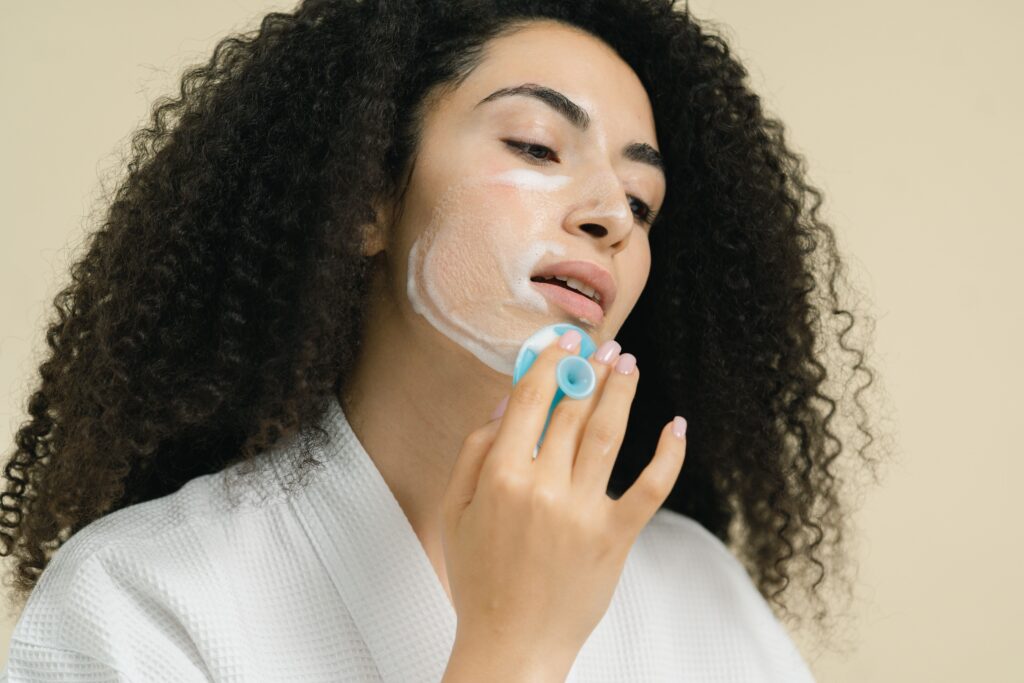
Start by washing your face with a gentle cleanser to remove dirt, excess oil, sweat, makeup, and other impurities that build up throughout the day. Cleansing creates a fresh base for the rest of your skincare products and helps keep your pores clean.
Tip: Choose a cleanser that suits your skin type and avoid harsh soaps that can strip away your skin’s natural moisture.
Step 2: Apply a Moisturizer
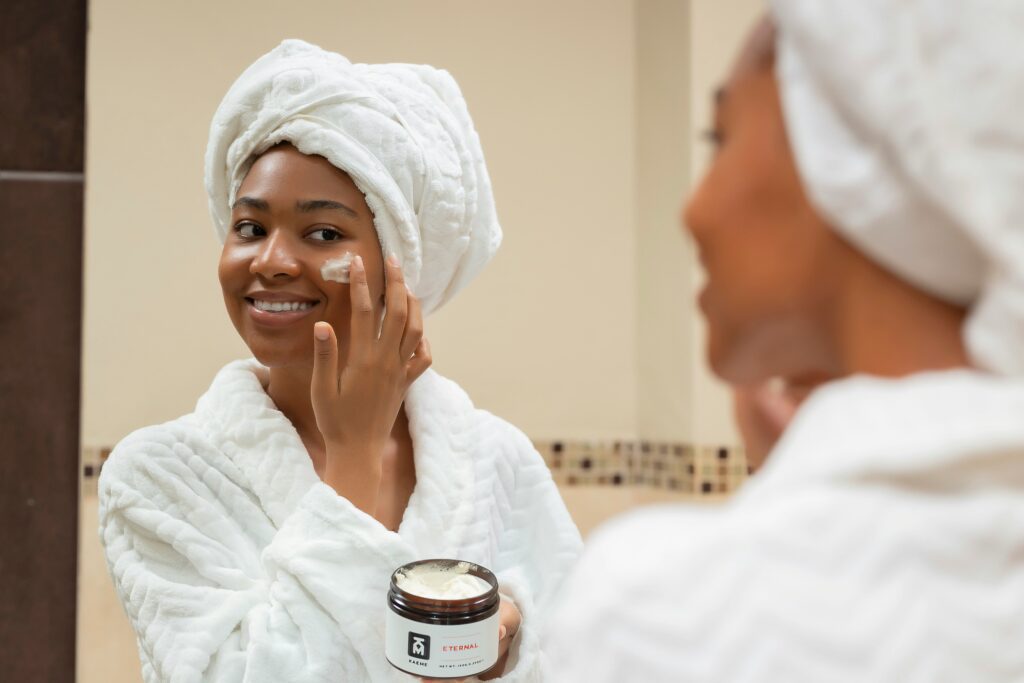
Moisturizing is an important step for every skin type, including oily skin. A good moisturizer helps lock in hydration, supports your skin’s natural barrier, and leaves your skin feeling soft and comfortable.
Tip: Look for a lightweight moisturizer if you have oily skin, or a richer cream if your skin tends to be dry.
Step 3: Use Sunscreen Every Morning
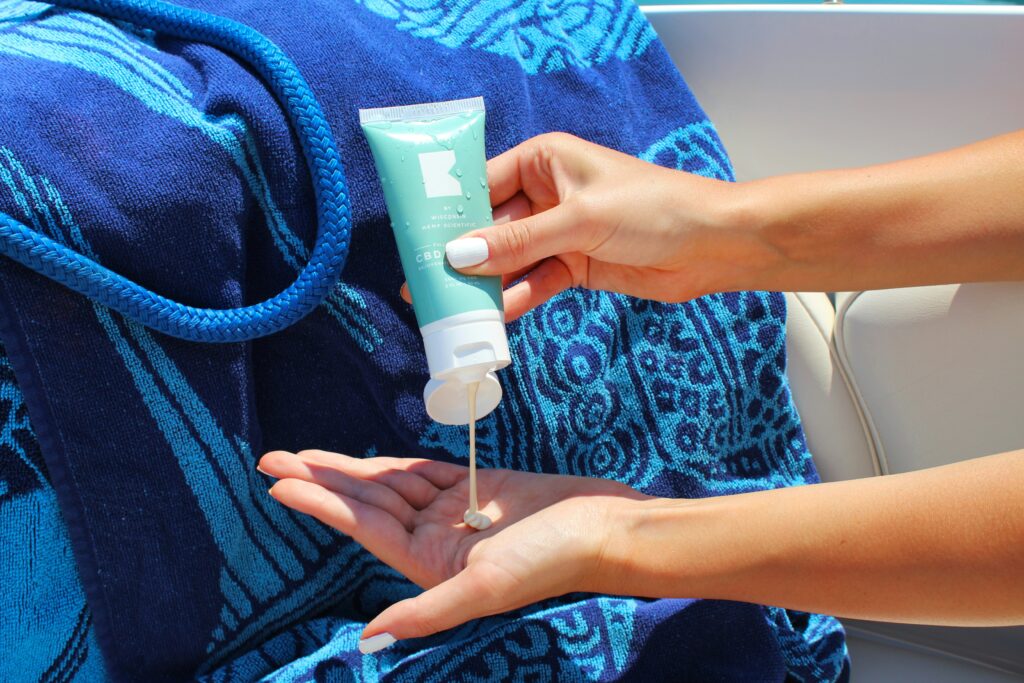
Sunscreen is one of the most important products in any skincare routine. Daily sun protection helps shield your skin from harmful UV rays, reducing the risk of sunburn, premature skin aging, and uneven skin tone.
Choose a broad-spectrum sunscreen with SPF 30 or higher and apply it every morning as the final step in your routine. Reapply throughout the day if you’re spending extended time outdoors.
Optional Step 4: Add a Serum (Once You’re Comfortable)

After following the basics consistently, you can consider adding a serum to address specific skin concerns such as dryness, dullness, or uneven skin tone. Beginners don’t need multiple serums—start with one that matches your skin’s needs and introduce it gradually.
Remember: Keep It Simple
A simple routine that you follow every day is far more effective than an elaborate routine you struggle to maintain. Focus on consistency, use products suitable for your skin type, and give your skin time to adjust before trying new products.
Morning Skincare Routine for Beginners
A morning skincare routine helps prepare your skin for the day by removing any excess oil that builds up overnight, keeping your skin hydrated, and protecting it from environmental stressors like pollution and UV rays. You don’t need a long list of products—just a few essential steps followed consistently.
A simple morning routine typically includes:
- Cleanser: Wash your face with a gentle cleanser to remove oil and impurities.
- Moisturizer: Apply a moisturizer to keep your skin hydrated and support your skin barrier.
- Sunscreen: Finish with a broad-spectrum sunscreen with SPF 30 or higher to protect your skin from harmful UV rays.
If you choose to use a serum, apply it after cleansing and before moisturizing. Remember that consistency is more important than using many products. Following this simple routine every morning can help keep your skin healthy and protected over time.
Tip: If you’re just starting out, focus on cleansing, moisturizing, and sunscreen. You can always add more products later as your skin’s needs change.
Night Skincare Routine for Beginners

A night skincare routine gives your skin a chance to recover after a long day of exposure to dirt, oil, makeup, and environmental pollutants. Cleansing your face before bed helps remove these impurities, while moisturizing supports your skin’s natural barrier and helps prevent dryness overnight.
A basic night routine usually includes:
- Cleanser: Gently cleanse your face to remove makeup, sunscreen, excess oil, and impurities.
- Moisturizer: Apply a moisturizer to keep your skin hydrated while you sleep.
- Optional Treatment: Once you’re comfortable with the basics, you can gradually introduce products like a hydrating serum or other treatments based on your skin’s needs.
Avoid trying too many new products at once, as this can make it difficult to identify what works best for your skin. A simple and consistent routine is often the most effective way to maintain healthy-looking skin.
Tip: Never go to bed wearing makeup, as it can clog pores and increase the risk of breakouts and irritation.
Essential Skincare Products Every Beginner Needs

When starting a skincare, it’s easy to feel overwhelmed by the number of products available. The good news is that you don’t need a shelf full of skincare products to achieve healthy-looking skin. A few carefully chosen essentials are enough to build an effective routine.
1. Gentle Cleanser
A gentle cleanser removes dirt, excess oil, sweat, and other impurities without stripping your skin’s natural moisture. Choose a cleanser that suits your skin type and use it every morning and night.
2. Moisturizer
A moisturizer helps keep your skin hydrated and supports its natural protective barrier. Whether you have dry, oily, combination, or normal skin, moisturizing is an important step in maintaining healthy skin.
3. Broad-Spectrum Sunscreen
Daily sunscreen is one of the most important skincare products you can use. Choose a broad-spectrum sunscreen with SPF 30 or higher to help protect your skin from harmful UVA and UVB rays, even on cloudy days.
4. Optional Serum
Once you’re comfortable with the basics, you may add a serum to target specific skin concerns such as dryness, dullness, or uneven skin tone. Beginners should introduce only one new serum at a time to see how their skin responds.
5. Lip Balm
Your lips need care too. A nourishing lip balm helps prevent dryness and keeps your lips soft, especially during cold or dry weather.
Beginner Tip: Don’t feel pressured to buy every trending skincare product. Start with the basics, stay consistent, and only add new products when your skin needs them.
Common Skincare Mistakes Beginners Should Avoid

Starting a skincare routine is exciting, but many beginners make simple mistakes that can slow down their progress or irritate their skin. Avoiding these common habits can help you get better results and maintain healthier-looking skin.
1. Using Too Many Products at Once
It’s tempting to try every trending skincare product, but introducing several new products at the same time can overwhelm your skin and make it difficult to identify what works. Start with the basics and add new products gradually.
2. Skipping Sunscreen
Many people only apply sunscreen on sunny days, but UV rays can affect your skin even when it’s cloudy. Wearing a broad-spectrum sunscreen with SPF 30 or higher every day helps protect your skin from sun damage and premature aging.
3. Overwashing Your Face
Washing your face too often or using harsh cleansers can strip away your skin’s natural oils, leading to dryness or irritation. Cleansing your face twice a day is usually enough for most people.
4. Choosing Products That Don’t Match Your Skin Type
Using products designed for a different skin type may cause dryness, excess oil, or breakouts. Always choose skincare products based on your skin’s specific needs.
5. Expecting Instant Results
Healthy skin takes time. Most skincare products need several weeks of consistent use before noticeable improvements appear. Be patient and avoid changing your routine too frequently.
6. Forgetting to Patch Test New Products
Before using a new skincare product on your entire face, apply a small amount to a patch of skin, such as behind your ear or on your inner forearm. Wait 24–48 hours to check for any signs of irritation or an allergic reaction.
Beginner Tip: A simple skincare routine followed consistently is usually more effective than a complicated routine that you can’t maintain.
Simple Tips to Get Better Results from Your Skincare Routine

A good skincare routine isn’t just about using the right products—it’s also about following healthy habits consistently. Small changes in your daily routine can make a noticeable difference in how your skin looks and feels over time.
1. Be Consistent
Follow your skincare routine every morning and night. Consistency is key, and regular care is more effective than using many products occasionally.
2. Introduce New Products Slowly
When trying a new skincare product, add only one at a time and give your skin at least 2–4 weeks to adjust. This makes it easier to identify what works and reduces the risk of irritation.
3. Stay Hydrated
Drinking enough water supports your overall health and helps maintain your skin’s natural moisture. While water alone won’t solve skin concerns, staying hydrated is an important part of a healthy lifestyle.
4. Avoid Touching Your Face Frequently
Your hands come into contact with many surfaces throughout the day and can transfer dirt, oil, and bacteria to your face. Try to avoid touching your face unless your hands are clean.
5. Remove Makeup Before Sleeping
Leaving makeup on overnight can clog pores and increase the risk of breakouts. Always cleanse your face before going to bed to remove makeup, sunscreen, and impurities.
6. Get Enough Sleep
Quality sleep gives your skin time to repair and recover. Aim for 7–9 hours of sleep each night as part of a healthy lifestyle.
7. Eat a Balanced Diet
A balanced diet rich in fruits, vegetables, whole grains, healthy fats, and lean proteins provides nutrients that support overall skin health. While no single food can transform your skin, healthy eating habits can contribute to a healthier complexion over time.
Pro Tip: Healthy skin is a result of consistent skincare, sun protection, and healthy lifestyle habits. Stick with your routine and be patient—lasting results take time.
Frequently Asked Questions
What is the best skincare routine for beginners?
A basic skincare routine for beginners includes three essential steps: cleansing, moisturizing, and applying sunscreen every morning. At night, cleanse your face and apply a moisturizer to keep your skin hydrated.
How many skincare products does a beginner need?
Most beginners only need three core products: a gentle cleanser, a moisturizer, and a broad-spectrum sunscreen. Additional products can be introduced gradually if needed.
Do I need both a morning and a night skincare routine?
Yes. A morning routine helps protect your skin during the day, while a night routine removes dirt and impurities and supports your skin’s natural repair process while you sleep.
Is sunscreen necessary if I stay indoors?
Yes. UV rays can pass through windows, so wearing a broad-spectrum sunscreen every day helps protect your skin, even if you spend most of your time indoors.
6. How can I identify my skin type?
A simple way is to try the bare-face test. Wash your face, wait 30–60 minutes without applying any products, and observe whether your skin feels dry, oily, balanced, or sensitive.
Final Thoughts
Building a skincare routine for beginners doesn’t have to be complicated. Starting with the basics—a gentle cleanser, a moisturizer, and a broad-spectrum sunscreen—is enough to create a strong foundation for healthy-looking skin. As you learn more about your skin type and its needs, you can gradually add products that address your specific concerns.
Remember, healthy skin is the result of consistency, patience, and choosing products that work for your skin. Instead of following every new skincare trend, focus on developing simple habits you can maintain every day. With time and the right routine, you’ll be well on your way to achieving healthier, more confident skin.